/filters:format(jpeg,png)/fit-in/300x300/guide_websites/180906/images/1783575702926crystalriverfishingandscallopingcharters.png)
/filters:format(jpeg,png)/fit-in/237x80/guide_websites/180906/images/1783575702926crystalriverfishingandscallopingcharters.png)
Scalloping in Crystal River, FL with Captain Jamie Cox
Scalloping in Crystal River - What to Expect
%2F%2Fusers%2Fef2aa8e1-dd57-48a5-8b5a-a972e7440379%2Fimages%2Fscallop-shell-sandy-ocean-floor-2518.jpg&w=1920&q=75)
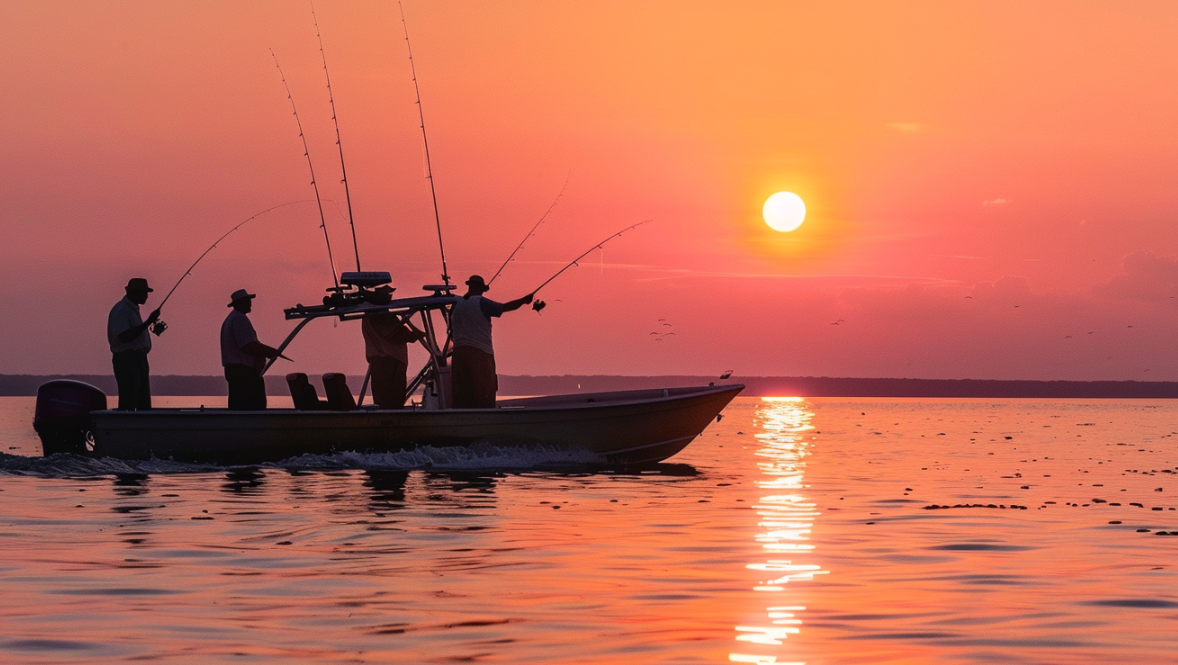
Fishing Activity Charter by Captain Jamie Cox in August
Meet your Captain Jamie Cox
- Crystal River Fishing And Scalloping Charters


Summary
Join a fishing activity charter in Crystal River on Thursday, July with Captain Jamie Cox to experience the unique underwater world of seagrass beds and shallow marine ecosystems. This scalloping adventure showcases the natural beauty of Florida's coastal environment while providing an authentic connection to local marine life and the skilled guidance of an experienced captain.
Fishing Activity Charter with Captain Jamie Cox - Rates & Booking
Captain Jamie Cox of Crystal River Fishing And Scalloping Charters on Thursday, July took us out to experience one of Florida's most rewarding shallow-water activities. The scalloping charter provided an intimate look at the seagrass beds and sandy bottoms where these prized shellfish thrive. Working with a licensed local guide made all the difference in understanding where and how to find scallops effectively.
This fishing activity charter is designed for those who want hands-on engagement with Florida's marine environment. The experience combines the thrill of the hunt with the natural beauty of Crystal River's pristine waters. Whether you're a seasoned water enthusiast or exploring scalloping for the first time, Captain Jamie Cox's expertise ensures a rewarding day on the water. Contact Crystal River Fishing And Scalloping Charters directly to inquire about rates, group sizes, and availability for your preferred dates.
Highlights of Crystal River Scalloping Adventures
The real magic of this trip came from exploring the shallow seagrass meadows that make Crystal River so unique. Watching the sandy ocean floor transition from open bottom to dense vegetation showed us exactly where scallops hide and feed. The clarity of the water allowed us to spot shells resting on the sand, partially buried among the seagrass, creating an engaging visual experience as we worked to locate them.
What stood out most was how well-preserved these marine habitats are. The seagrass beds provide critical nursery grounds for countless species, and being there in person highlighted why Crystal River's scalloping grounds are so productive. Captain Jamie Cox's knowledge of the area's seasonal patterns and best locations made the experience both productive and educational.
Local Marine Habitats and Scalloping Environment
Crystal River's scalloping grounds are characterized by shallow waters ranging from a few feet to around 30 feet deep, with extensive seagrass meadows mixed with sandy flats and small shell beds. The combination of freshwater springs and coastal waters creates a unique ecosystem that supports healthy scallop populations. These shellfish are naturally adapted to this environment, filtering nutrients from the water column while anchoring themselves to sandy or shell-covered bottoms.
Scallops in this region are more than just a harvest target - they're an indicator of the broader health of the marine ecosystem. Their presence in good numbers suggests the seagrass beds are thriving and the water quality remains high. The visibility during our trip allowed us to observe the actual habitat scallops prefer: areas with some current flow, adequate seagrass cover for protection, and sandy patches where they can rest. Understanding these habitat preferences transformed the experience from a simple treasure hunt into a genuine learning opportunity about Florida's coastal marine life.
The sandy ocean floor we explored is constantly shaped by currents and seasonal changes. Scallop shells rest on these flats, sometimes fully exposed and sometimes partially buried. The seagrass provides food and cover, creating a dynamic ecosystem where these bivalves play an important role in the food web. Watching how they position themselves on the bottom and how they interact with their surroundings gave real context to why scalloping in Crystal River remains such a valued activity.
Captain Jamie Cox's local expertise extended to understanding these seasonal and environmental factors. He explained how water temperature, light penetration, and food availability all influence scallop distribution throughout the year. This knowledge isn't something you find in guidebooks - it comes from years of time spent on these waters.