

Scallop Hunting in Crystal River - Underwater Seafloor Exploration
Scallop Habitats in Crystal River - What to Expect

Fishing Activity Charter by Captain Jamie Cox in August
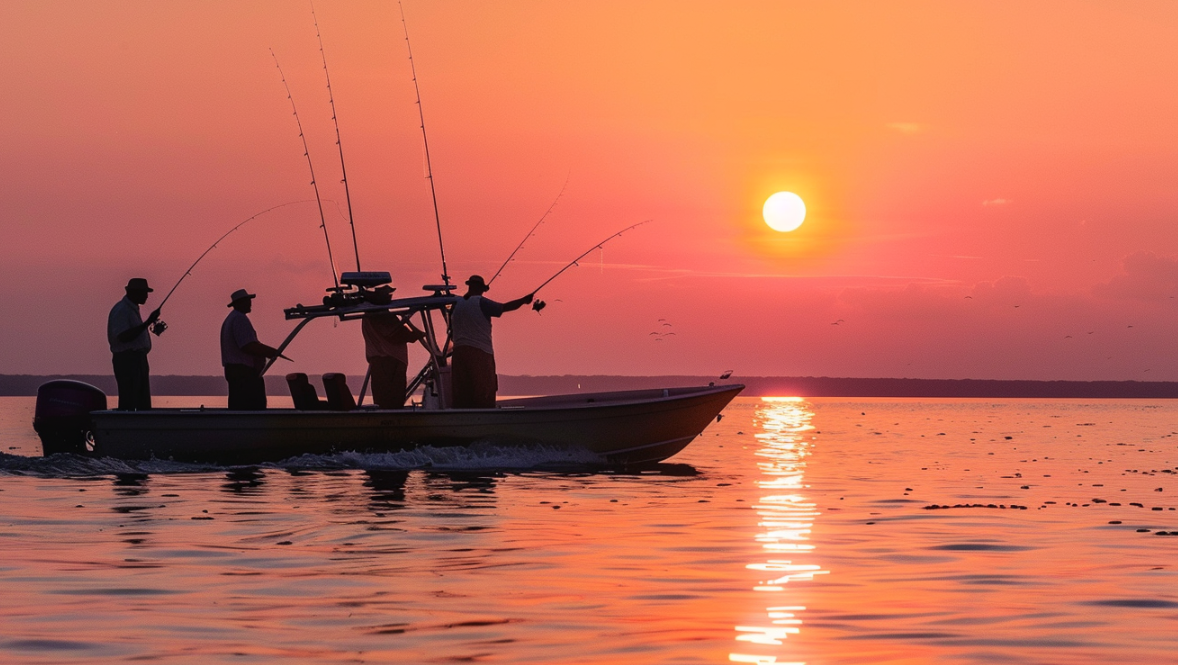
- Crystal River Fishing And Scalloping Charters


Summary
Join a Fishing Activity Charter in Crystal River on Thursday, July 31st to explore the underwater marine environment where brown scallops thrive among seagrass beds on sandy seafloors. This scalloping adventure reveals how these mollusks adapt to their habitat while you learn the techniques for locating and understanding these bottom-dwelling species in their natural surroundings.
Scalloping with Captain Jamie Cox - Rates & Booking
Captain Jamie Cox of Crystal River Fishing And Scalloping Charters on Thursday, July 31st offers guided scalloping experiences designed to teach you how to locate and identify scallops in their natural marine environment. Whether you're new to scalloping or expanding your seafloor exploration skills, this charter provides hands-on learning in one of Florida's premier scalloping destinations.
To book your scalloping adventure or inquire about group sizes, duration, and what's included in your charter experience, contact Crystal River Fishing And Scalloping Charters directly. Captain Jamie Cox tailors each outing to match your experience level and interests, ensuring you understand the marine habitat and species behavior during your time on the water.
Highlights of Scalloping in Crystal River
Crystal River's shallow marine environment creates ideal conditions for scalloping. The sandy seafloors dotted with seagrass beds provide excellent habitat for brown scallops and other mollusks. These areas are accessible, visually rich, and educational - you'll see how the seafloor ecosystem functions and where scallops position themselves for feeding and protection.
The clarity of Crystal River's waters during summer months allows you to observe scallops in their natural state, resting among seagrass shoots. This visibility makes it easier to understand scallop behavior, recognize habitat patterns, and develop the eye for spotting these creatures efficiently. It's an experience that combines practical skills with genuine marine education.
Local Species Insights: Brown Scallops and Seafloor Habitat
Brown scallops are bivalve mollusks that inhabit sandy and seagrass-covered seafloors in shallow coastal waters. Unlike their anchored cousins, scallops are mobile creatures - they can open and close their shells rapidly to propel themselves short distances when threatened or seeking new feeding grounds. This behavior is one reason understanding their habitat and movement patterns is key to successful scalloping.
In Crystal River, scallops settle in areas where seagrass provides both food and camouflage. The seagrass beds create a complex underwater landscape that protects scallops from strong currents and predators while offering abundant microorganisms for filter feeding. When you explore these seafloor areas, you're witnessing a delicate ecosystem where scallops play a specific ecological role.
The sandy substrate around seagrass beds is crucial. Scallops prefer areas where sand provides stable resting spots and seagrass offers structural complexity. This combination is abundant in Crystal River's shallow waters, which is why the area has become a popular scalloping destination. Learning to read these environmental signals - recognizing seagrass density, sand color, and water clarity - helps you predict where scallops will be most concentrated.
Water temperature and seasonality also influence scallop behavior. During summer months, scallops are generally more active and visible. The warmer water increases metabolic rates and encourages movement and feeding. This timing makes late July ideal for scalloping trips when visibility is strong and scallops are in active feeding modes throughout the seafloor habitat.
Captain Jamie Cox's expertise in reading these environmental conditions means your charter focuses on productive areas where scallop populations are robust. Part of the learning experience involves understanding why certain seafloor patches are more productive than others - sand grain size, seagrass species composition, water depth, and proximity to deeper channels all factor into scallop distribution.